
Michael Curran
Your B2B Website Isn’t a Lead-Gen Machine. It’s a Risk-Reduction Machine.
Most B2B marketing teams optimise their website for the moment a buyer fills in a…
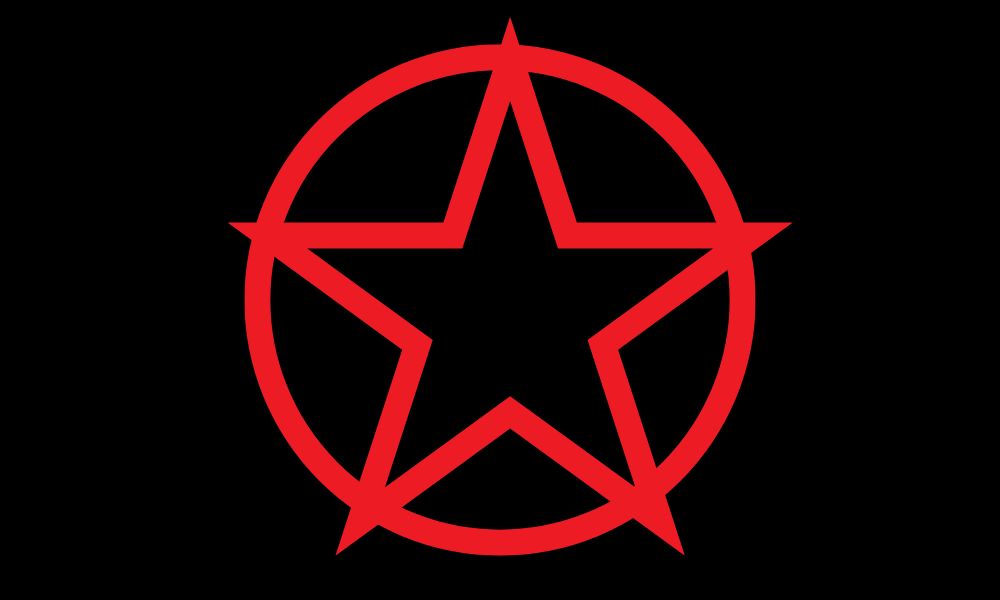
These are some impressive numbers. They refer to the 1976 groundbreaking fourth album by Canadian Progressive Rock band Rush, 2112.
This one album allowed Rush to become one of the most consistently successful bands in music history, with an impressive career spanning four decades and millions of records sold.
But it almost wasn’t that way.
In 1975, Rush were in trouble. Their previous album hadn’t met the expectations of their label, Mercury Records. It was deemed too experimental, inaccessible and they were close to being dropped. Their fourth album had to be label-friendly if they were to survive.
Or at least, that was the theory.
Rush chose to open 2112 with a 20-minute sci-fi epic, a move that directly defied their label’s request for shorter, radio-friendly songs. Why? Because this was an all or nothing moment where they decided that if they were going to proceed, it would be on their terms and not the industry expectations.
Why am I talking about Rush? It’s definitely not because they’re one of my favourite bands and I will use any excuse to sneak them into just about anywhere I can. But genuinely, I think about this story a lot. Not just because I love the band, but what this type of thinking represents.
In B2B marketing, it’s fair to say much of the content that we see is safe. That’s not necessarily a problem but it does keep things inside the box much of the time. It puts a ceiling on creativity and can limit brands from exploring their full potential and reaching new audiences.
Rush risked everything. They could have been dropped. But they believed in the long game, build a loyal base who truly get it. In content, the equivalent is publishing that brave POV, investing in a unique editorial style or tackling a subject that makes your legal team nervous, not for shock value, but to show your audience you think.
2112 gave Rush their freedom. Every album that followed was experimental, different and essentially defined a new genre of music. One album gave them permission to do things their way from that point forward.
Imagine if Rush had played it safe. Trimmed down 2112 to three-minute radio singles. Ditched the dystopian themes and philosophical ambition. Maybe they’d have earned a few modest hits, pleased the label and faded quietly into the background – another competent but forgettable rock act.
Instead, they bet big on originality, alienated some, captivated many and carved out a legacy. The same applies to brands. When you aim only for consensus, you trade long-term resonance for short-term comfort. Safe content rarely offends, but it rarely inspires either, and the cost of blending in is missing out on the promise of becoming truly memorable.
Bold content builds a brand moat. It earns you the permission to tell bigger stories, lead the conversation and become the reference point others cite.
Here are a few practical ways:
2112 didn’t just tell a story. It was the story, one of rebellion, conviction and courage. Your content can be too.
2112 is a reminder that boldness still breaks through. Rush didn’t succeed by ticking boxes, they succeeded by trusting their voice, challenging expectations and creating something only they could make.
For marketers, the lesson is clear: if you want to be remembered, you can’t just be reliable, you must be remarkable. Strategic risk is not recklessness, it’s the pursuit of resonance over routine. The brands that dare to go deeper, speak louder and stand firmer are the ones that, like 2112, don’t just ship content, they leave a mark.